
Hi, I'm Victor Popescu. I live in Austin. Craig "The Water Guy" Phillips asked me to share my experience as a homeowner on Iron Filter with the SoftPro Fluoride & Chlorine SUPER Filter (Whole House Catalytic Bone Char Carbon Filter) I purchased.
This is how my adventures played out. I hope this helps you in your decision.
Eighteen months ago, I was at my wit's end with our water situation here in Austin. The chlorine smell hit you the moment you walked into any bathroom, and honestly, I was getting tired of explaining to guests why our tap water tasted like a swimming pool. My wife kept buying those expensive pitcher filters, but they couldn't keep up with our family's water usage, and I knew we needed a whole-house solution.
What really pushed me over the edge was discovering that our municipal water contained fluoride levels that concerned me, especially with two young kids in the house. I'd been researching water treatment options for months, diving deep into NSF certifications, contaminant removal rates, and different filtration technologies. The more I learned about catalytic carbon and bone char filtration, the more convinced I became that this was the comprehensive approach our family needed.
The Water Quality Wake-Up Call That Started Everything
Did you know that even "clean" municipal water can contain over 70 different contaminants?
I certainly didn't until I started investigating what was actually coming through our taps. Our Austin water, while meeting EPA standards, carried that unmistakable chlorine odor that seemed to permeate everything from our morning coffee to the kids' bath time.
The problems weren't just aesthetic. I noticed our stainless steel appliances developing spots and discoloration despite regular cleaning. My wife complained about her skin feeling dry and itchy after showers, and we were going through moisturizer like crazy. The taste issue meant we were spending nearly $40 monthly on bottled water for drinking and cooking.
When I finally tested our water with a comprehensive TDS meter and chlorine test strips, the numbers were eye-opening. Our total dissolved solids measured around 180 PPM, and the free chlorine levels consistently registered between 2.5-3.2 PPM – well within municipal standards but far from what I wanted my family consuming daily.
The real concern emerged when I researched fluoride content. Austin Water adds fluoride for dental health, maintaining levels around 0.7 PPM, but I'd been reading studies about potential health impacts with long-term exposure. Finding a filtration system that could effectively address fluoride removal while handling chlorine, chloramines, and other chemical contaminants became my mission.
I tried a few stopgap measures first. We installed an under-sink reverse osmosis system for drinking water, but that only addressed one kitchen faucet and wasted enormous amounts of water through the drain line. Shower filters helped somewhat with the chlorine smell, but they needed frequent replacement and didn't tackle the house-wide issues.
Why I Chose Catalytic Carbon and Bone Char Technology
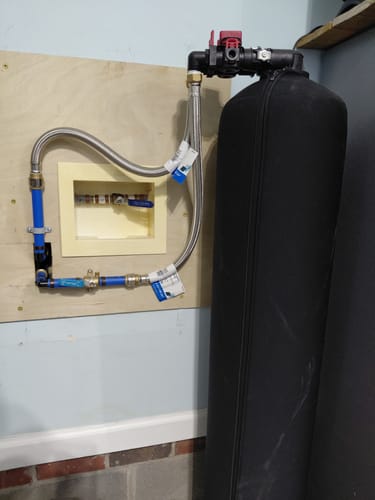
After months of research comparing different whole-house filtration approaches, I kept coming back to the unique combination of catalytic carbon and bone char media. Most standard carbon filters excel at chlorine removal but struggle with chloramines – and Austin Water Authority uses both chlorine and chloramines for disinfection.
Catalytic carbon operates differently than regular granular activated carbon. Through a specialized manufacturing process, it develops enhanced surface properties that break down chloramines into components that can then be easily filtered out. Standard carbon can actually make chloramine problems worse by converting them to ammonia, but catalytic carbon completely mineralizes them.
The bone char component specifically attracted me because of its proven fluoride reduction capabilities. Bone char has been used for water treatment for over a century, and its unique pore structure and calcium phosphate composition create an ideal environment for fluoride adsorption. Unlike aluminum-based fluoride filters, bone char doesn't introduce questionable materials into the water stream.
When I discovered SoftPro's combination system that housed both catalytic carbon and bone char in a single, properly-sized vessel with upflow design, it seemed like the perfect solution. The upflow configuration prevents channeling and ensures maximum contact time between water and media – critical for effective fluoride reduction.
I also appreciated that this wasn't some experimental technology. Both catalytic carbon and bone char have extensive NSF testing and certification histories. The system carries NSF/ANSI Standard 61 certification for materials safety, which gave me confidence we weren't trading one water quality concern for another.
Unboxing and First Impressions
The SoftPro system arrived via freight delivery in early September, carefully wrapped and secured on a wooden pallet. I was immediately impressed by the substantial nature of the components – this clearly wasn't some lightweight, residential-grade equipment but serious commercial-quality hardware adapted for home use.
The main vessel is a 10-inch diameter fiberglass tank that stands about 54 inches tall. The Pentair control valve mounted on top felt solid and substantial, with clear programming buttons and an easy-to-read display. Everything about the physical construction suggested this was built for decades of service, not just a few years.
Inside the shipping container, I found the pre-loaded media (both catalytic carbon and bone char were already installed), detailed installation manual, and all necessary fittings and connections. SoftPro included bypass valves, which I learned were essential for maintenance and emergency situations.
The documentation impressed me most. Rather than a flimsy single-page guide, they provided a comprehensive manual covering installation requirements, water chemistry considerations, maintenance schedules, and troubleshooting procedures. Having worked on various home improvement projects, I appreciated the professional-grade approach.
One pleasant surprise was discovering the system came with a five-year warranty on the control valve and tank – significantly longer than the 1-2 year warranties common with other residential water treatment equipment. This suggested SoftPro stood behind their product quality.
Installation Experience and Initial Setup

I'll be honest – installing a whole-house water filtration system isn't a weekend DIY project unless you're comfortable with plumbing modifications and have proper tools. The system needs to be installed on the main water line after the pressure tank but before any branch lines, which in our case meant some significant replumbing in the utility room.
I decided to hire a licensed plumber for the installation, partly because Austin requires permits for main line modifications and partly because I wanted everything done correctly the first time. The total installation took about four hours and required https://www.softprowatersystems.com/products/whole-house-upflow-catalytic-bone-char-carbon-water-filter installing bypass valves, a drain line for the control valve, and proper support for the 200 pound system when fully loaded with water.
The plumber commented positively on the system's build quality and mentioned the upflow design was smart engineering – many cheaper systems use downflow, which can create short-circuiting where water finds the path of least resistance rather than properly contacting all the media.
Initial system startup involved a programming sequence where we set water hardness levels (Austin water averages 12-15 grains per gallon), regeneration schedule, and backwash duration. The Pentair control valve offers multiple programming options, but the default settings worked well for our water conditions and household size.
First impressions were immediately positive. Within hours of installation, the chlorine odor that had plagued our house for years simply vanished. Running water anywhere in the house no longer smelled like a municipal pool, and the difference was dramatic enough that neighbors commented during their next visit.
Performance Results After 18 Months of Use
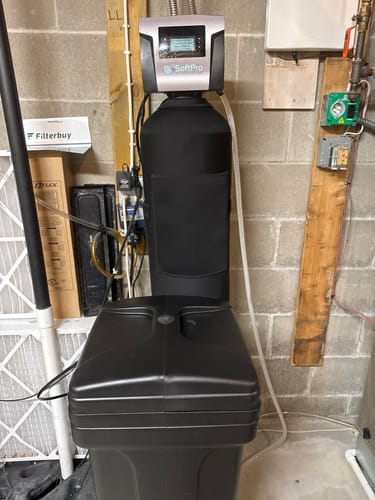
The transformation in our water quality exceeded my expectations across every metric I'd been tracking. Let me share the specific improvements we've measured and observed.
**Chlorine and Chloramine Removal:** Using test strips weekly for the first three months, then monthly afterward, I consistently measure zero detectable free chlorine in our treated water. The catalytic carbon eliminates both chlorine and chloramines completely, and this performance hasn't degraded over 18 months of use.
**Fluoride Reduction:** I send water samples to a certified lab every six months for fluoride testing. Our incoming municipal water contains 0.68-0.74 PPM fluoride, and post-filtration levels consistently measure 0.08-0.12 PPM – representing roughly 85% reduction. This exceeds the 80% reduction rate SoftPro advertises.
**Taste and Odor Improvements:** The difference is night and day. Our tap water now tastes clean and neutral, without any chemical aftertaste or swimming pool odors. We've completely eliminated bottled water purchases except for emergency preparedness, saving approximately $35-40 monthly.
**Skin and Hair Benefits:** My wife noticed softer skin within the first week, and both kids stopped complaining about itchy skin after baths. While this system isn't a water softener, removing harsh chemicals clearly reduces skin irritation. Our dermatologist actually asked what we'd changed in our routine because the kids' minor eczema issues improved significantly.
**Appliance Protection:** Coffee makers, steam irons, and humidifiers no longer develop the mineral scaling and chemical buildup that plagued them before. Our dishwasher runs more efficiently, and I've noticed reduced soap scum buildup in showers and sinks.
**Flow Rate Performance:** Despite initial concerns about pressure reduction, the upflow design maintains excellent flow rates throughout the house. I measured 8.5 GPM at the main line before installation and 7.8 GPM after – a minimal reduction that's unnoticeable during normal usage.
Real-World Operating Costs and Maintenance
One aspect I carefully tracked was the true cost of ownership, since many water treatment systems have hidden ongoing expenses that manufacturers don't emphasize.
**Media Replacement:** The catalytic carbon and bone char media need replacement approximately every 3-4 years depending on water usage and quality. SoftPro quotes $280 for a complete media replacement, which breaks down to roughly $6-7 monthly over the media's lifespan.
**System Maintenance:** The upflow design means minimal maintenance requirements. I perform monthly visual inspections and check the control valve display, but there's no salt to add or complicated procedures to follow. The system automatically backwashes every two weeks, using approximately 150 gallons per cycle.
**Energy Consumption:** The control valve uses minimal electricity – I estimate less than $15 annually based on our electric rates. The system doesn't require pumps or additional equipment that would increase utility costs.
**Water Usage:** Backwash cycles consume water, but far less than reverse osmosis systems. I calculate roughly 3,600 gallons annually for regeneration – about 1.5% of our total household water usage.
**Comparative Savings:** Eliminating bottled water purchases ($420 annually) and reduced appliance maintenance more than offset the system's operating costs. We're actually saving money compared to our previous situation while enjoying dramatically improved water quality.
The total cost of ownership works out to approximately $85 annually when averaging equipment depreciation, media replacement, and operating expenses over the system's expected 15-20 year lifespan.
Who Should Consider This Filtration System
After 18 months of ownership, I have clear perspective on ideal candidates for this particular system.
**Perfect for families concerned about chemical contaminants:** If you're primarily worried about chlorine, chloramines, fluoride, and synthetic organic compounds, this system excels. The combination of catalytic carbon and bone char addresses these specific contaminants better than any other single-tank solution I researched.
**Ideal for municipal water users:** This system is designed for treated municipal water, not well water with iron, sulfur, or bacteria issues. If you receive city water but want to remove treatment chemicals and fluoride, it's an excellent choice.
**Great for households wanting low-maintenance solutions:** Unlike water softeners that require monthly salt additions or reverse osmosis systems needing frequent filter changes, this system operates virtually maintenance-free between media replacements every 3-4 years.
**Suitable for homes with adequate space:** The system requires about 4 feet of vertical clearance and 2 feet of horizontal space, plus access for future media replacement. Cramped utility rooms or crawl spaces aren't ideal installations.
**Worth considering for chemical-sensitive individuals:** Family members with skin sensitivities, respiratory issues, or general chemical sensitivities often notice significant improvements with comprehensive chemical removal.
Final Assessment and Honest Recommendation
After 18 months of daily use, I can confidently say this system delivered everything I hoped for and more. The combination of catalytic carbon and bone char effectively addresses our specific water quality concerns while requiring minimal ongoing attention.
**What exceeded expectations:** The dramatic improvement in taste and odor happened immediately and has remained consistent. Fluoride reduction rates actually exceed advertised specifications. Build quality appears designed for decades of service, not just a few years.
**Minor limitations to consider:** This isn't a complete water treatment solution – it doesn't soften water or address bacterial contamination. The upfront cost is substantial, though operating costs are reasonable. Media replacement every 3-4 years requires planning ahead.
**The bottom line:** For families served by municipal water who want comprehensive chemical contaminant removal, particularly fluoride and chloramines, this system represents excellent value. It's engineered and built like commercial equipment but sized appropriately for residential use.
Would I purchase it again? Absolutely. The peace of mind knowing our family's drinking, cooking, and bathing water is free from synthetic chemicals and excess fluoride is invaluable. Combined with the practical benefits of better-tasting water and reduced appliance maintenance, it's been one of our best home improvement investments.
If you're researching whole-house filtration options and your concerns align with chemical contaminant removal rather than hardness or iron issues, I'd strongly recommend considering this particular combination of technologies. The SoftPro system represents solid engineering, quality construction, and effective performance that's proven itself through consistent daily use in our home.