
Hi, I'm Jimmy W. I live in Montana.
Craig "The Water Guy" Phillips asked me to share my homeowner experience with our local tap water from the city and the SoftPro ECO™ City Water Softener - Best Water Softener Systems for City Water I purchased.
This is how my adventure played out. I hope this helps you in your decision.
Did you know that even city water can wreak havoc on your home's plumbing and appliances?
I certainly didn't realize the extent of the problem until I started seeing white crusty buildup on every faucet, my coffee maker dying an early death, and my skin feeling like sandpaper after every shower. Living in Montana, I always assumed our mountain water would be pristine, but our municipal supply was loaded with minerals that were slowly destroying everything in their path.
The Hard Water Problem That Started It All
Eight months ago, I was dealing with what I now know was classic hard water damage throughout our home. The problems seemed to multiply weekly, and I was getting frustrated throwing money at symptoms instead of addressing the root cause.
Our dishwasher was the first casualty. Despite using rinse aid and expensive detergents, our glassware came out looking foggy and spotted. I thought we just had a lousy dishwasher until our repair technician pointed out the mineral buildup clogging the spray arms. The heating element was coated in a thick, chalky residue that reduced efficiency and eventually led to complete failure.
Then came the water heater issues. Our monthly gas bills kept climbing, and lukewarm showers became the norm. When we had it serviced, the technician showed me the sediment he drained from the tank – nearly two gallons of mineral sludge that had accumulated over just three years. The heating elements were encased in limestone-like deposits that acted as insulation, forcing the system to work overtime.
But the real wake-up call was testing our water with a simple TDS meter I picked up online. Our municipal water was registering 340 parts per million of total dissolved solids, with a hardness level around 18 grains per gallon. According to the Water Quality Association, anything over 10.5 grains is considered "very hard," so we were well into problem territory.

The health impacts were becoming obvious too. My wife's eczema flared up constantly, and our kids complained about their hair feeling "sticky" even after shampooing. We were going through moisturizer and conditioner at an alarming rate, and I started connecting the dots between our water quality and these daily annoyances.
Research Phase: Finding the Right Solution
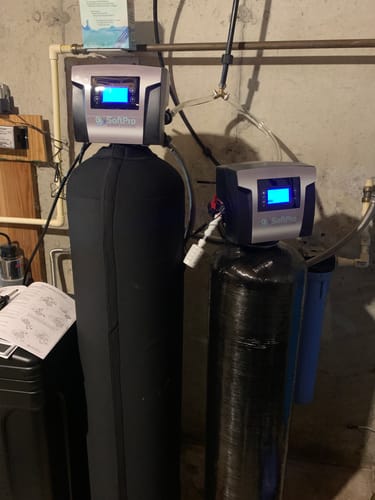
Once I understood we had a legitimate hard water problem, I dove deep into researching solutions. The market is confusing, with salt-based softeners, salt-free conditioners, reverse osmosis systems, and various combination units all claiming to solve hard water issues.
I started by learning the difference between water softening and water conditioning. True softening requires ion exchange – a process where calcium and magnesium minerals are physically removed and replaced with sodium ions. Salt-free systems, despite marketing claims, don't actually soften water; they crystallize minerals to reduce scale buildup but don't address the other problems hard water causes.
Capacity became a crucial factor in my research. Our household of four uses approximately 280 gallons per day, and with 18-grain hardness, I needed a system that could handle about 5,040 grains of hardness removal daily. Most residential softeners range from 24,000 to 64,000 grain capacity, regenerating every few days to restore the resin bed's effectiveness.
I also learned about efficiency ratings and salt consumption. Older softener designs waste significant water and salt during regeneration cycles, but modern demand-initiated regeneration systems only clean the resin when necessary. This was important because our well water neighbors warned me about the ongoing costs of salt and increased water usage.
Certification standards became my filter for separating legitimate products from marketing hype. I looked for NSF/ANSI 44 certification, which ensures the system actually performs as advertised under standardized testing conditions. The Water Quality Association Gold Seal provided additional confidence in manufacturer claims.
After comparing technologies, capacities, certifications, and warranty coverage, the SoftPro ECO emerged as the best balance of performance, efficiency, and value for our specific situation. The upflow regeneration design and high-efficiency resin promised lower operating costs, while the SoftPro Valve system offered precise control over the softening process.
Unboxing and First Impressions
The SoftPro ECO arrived on a freight truck, professionally packaged on a wooden pallet with protective wrapping. At 120 pounds, this isn't a system you casually move around, but the substantial weight immediately communicated quality construction rather than lightweight plastic components.
The fiberglass mineral tank felt robust and professional-grade, with a smooth gel-coat finish that looked like it belonged in a commercial installation. The SoftPro Valve mounted on top had a sleek, modern appearance with a clear digital display and intuitive control buttons. No cheap LCD screens or confusing button combinations here.
All the installation components were included: bypass valve assembly, drain line fittings, installation hardware, and a comprehensive manual with clear diagrams. The resin bed came pre-loaded, which saved time and mess during installation. I appreciated that SoftPro included high-quality brass fittings rather than plastic connections that might fail over time.
The documentation impressed me with its thoroughness. Instead of a simple setup guide, they provided detailed explanations of how ion exchange works, proper installation procedures for different plumbing configurations, and programming instructions for various water conditions. This educational approach built confidence that I was dealing with a company that understood water treatment, not just manufacturing.
Installation Experience and Setup

I opted for professional installation through SoftPro's network, and it proved worth every penny. Our certified installer arrived with all necessary tools and materials, completing the job in about three hours including system programming and testing.
The installation location required some planning. Water softeners need space for the main unit, salt storage, electrical connection, and drain access for regeneration cycles. We chose our basement utility room, positioning the system between our main water shutoff and the water heater to treat all household water except outdoor spigots.
The bypass valve installation was crucial – this allows us to isolate the softener for maintenance while maintaining water service to the house. Our installer explained that some cheaper systems include flimsy bypass valves that leak or fail, but the SoftPro Valve system integrated seamlessly with professional-grade bypass components.
System programming involved entering our specific water conditions and household size into the SoftPro Valve control system. The installer tested our raw water hardness on-site, confirming the 18-grain reading I'd measured earlier. He programmed a regeneration schedule based on our calculated daily grain removal requirements, setting the system to clean itself every fourth day initially.
The drain line installation required routing to our basement floor drain, with proper air gap protection to prevent contamination. During regeneration, the system discharges about 25 gallons of brine and rinse water, so proper drainage is essential. Our installer also connected the overflow safety to alert us if any drainage issues develop.
Initial startup involved filling the brine tank with high-purity salt, priming the system, and running the first regeneration cycle. Within six hours of installation, we had fully softened water throughout the house. The transformation was immediate and dramatic.
Performance Analysis: Eight Months of Real-World Testing
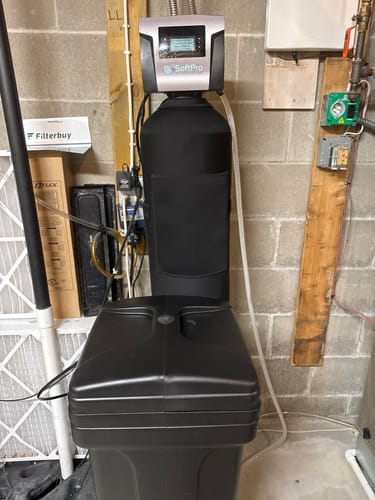
After eight months of continuous operation, I can provide concrete data on the SoftPro ECO's performance across different seasons and usage patterns. I've maintained detailed records of water quality, salt consumption, and system operation to evaluate long-term effectiveness.
Water hardness reduction has been consistent and complete. Monthly testing shows post-softener hardness consistently below 1 grain per gallon, representing over 95% reduction from our incoming 18-grain water. Even during peak summer usage when our consumption increases, the system maintains this performance level without any decline in effectiveness.
The upflow regeneration design proves its efficiency claims in real-world operation. Our system uses approximately 6.5 pounds of salt per regeneration cycle, occurring every 3-4 days depending on usage patterns. This translates to roughly 50 pounds of salt monthly for our four-person household – significantly less than the 80 pounds our neighbors report with older softener designs.
Regeneration cycles occur automatically around 2 AM, lasting about 90 minutes total. The SoftPro Valve system is remarkably quiet during operation – quieter than our dishwasher or washing machine. I only know regeneration is occurring by checking the control panel; there's no disruptive noise or pressure changes during the process.
Water pressure and flow rate remain excellent throughout the house. Even during regeneration, when the system automatically switches to bypass mode temporarily, we maintain full pressure at all fixtures. The high-efficiency resin bed doesn't create the pressure drops that some older systems cause.
Seasonal performance has been rock-solid. Montana winters haven't affected operation, and summer peak usage periods don't overwhelm the system's capacity. The demand-initiated regeneration adjusts automatically to our changing usage patterns, using more salt during busy weeks and conserving during vacations.
Daily Life Impact: The Real-World Benefits
The transformation in our daily life has been remarkable, touching everything from basic hygiene to household maintenance routines. These aren't theoretical benefits – they're measurable improvements we experience every day.
Shower and bathing quality improved immediately. My wife's eczema cleared up within two weeks, and our kids stopped complaining about their hair feeling sticky. Soap lathers completely now, and we use about half the shampoo and body wash we used before. The "squeaky clean" feeling after showering is real – your skin feels truly rinsed instead of coated with mineral residue.
Kitchen operations became more pleasant and efficient. Our dishwasher now produces sparkling glassware without rinse aid or special detergents. Coffee and tea taste noticeably better without mineral interference. Cooking pasta and rice requires less salt because the water doesn't compete with flavors. Even ice cubes are crystal clear instead of cloudy.
Laundry results improved dramatically. Clothes feel softer and colors stay brighter longer. We eliminated fabric softener completely because it's unnecessary with soft water. White shirts and towels maintain their original appearance instead of developing that dingy gray cast that hard water minerals cause over time.
Household cleaning became easier and more effective. Soap scum disappeared from shower doors, and bathroom fixtures stay cleaner longer. I no longer need CLR or lime removal products – basic cleaners work effectively because they're not fighting mineral deposits. Weekly bathroom cleaning takes half the time it used to require.
Appliance performance and longevity improved measurably. Our water heater efficiency returned to normal, reducing monthly gas bills by about $15. The dishwasher runs quieter and cleaner. Even our humidifier works better because mineral buildup no longer clogs the components weekly.
Operating Costs and Maintenance Reality
Understanding the true cost of water softener ownership requires tracking consumables, utilities, and maintenance over time. After eight months, I have solid data on what SoftPro ECO ownership actually costs beyond the initial purchase price.
Salt consumption averages 50 pounds monthly, costing about $12 when buying high-purity salt in bulk. This is considerably less than I budgeted based on research into older softener designs. The efficient upflow regeneration really does use less salt while achieving complete resin cleaning.
Water usage for regeneration cycles adds roughly 750 gallons monthly to our bill – about $3 at local utility rates. This seems significant until you consider we're saving more than that in reduced soap, detergent, and cleaning product purchases. We also softprowatersystems.com eliminated bottled water costs since our softened tap water tastes great.
Electricity consumption is minimal. The SoftPro Valve system draws power only during regeneration cycles and for the digital display. I estimate less than $2 monthly in electricity costs – barely measurable compared to major appliances.
Maintenance requirements have been minimal. Monthly salt additions take five minutes. I check the brine tank quarterly for bridging or mushing, but the high-quality salt we use hasn't caused problems. The system self-diagnoses and alerts for any issues through the control panel display.
Professional maintenance isn't required frequently. SoftPro recommends annual inspections, but the system includes diagnostic capabilities that monitor performance and alert for problems. After eight months, everything operates exactly as it did during installation.
Total monthly operating costs run about $17 – reasonable for a system treating all household water 24/7. Factor in the savings on cleaning products, appliance protection, and energy efficiency, and the net cost is even lower. This investment pays dividends in convenience and quality of life beyond just financial considerations.
Honest Assessment: What Could Be Better
After eight months of ownership, I can provide a balanced perspective on areas where the SoftPro ECO could improve, along with minor frustrations that potential buyers should understand.
The salt storage capacity requires attention every 3-4 weeks. With our usage patterns, the brine tank holds enough salt for about a month, meaning regular trips to purchase and load 40-pound bags. This isn't a major burden, but households preferring less frequent maintenance might want larger storage options.
Initial programming complexity surprised me, even with professional installation. The SoftPro Valve system offers extensive customization options, but setting optimal regeneration schedules requires understanding your specific water conditions and usage patterns. The learning curve isn't steep, but it's not plug-and-play simple either.
Space requirements are substantial. The complete system, including salt storage and clearance for maintenance access, occupies about 6 square feet of floor space. Basement installations work well, but compact homes might struggle to find appropriate locations with necessary plumbing, electrical, and drainage access.
Regeneration scheduling, while automatic, sometimes conflicts with peak usage periods despite smart programming. During busy mornings when everyone showers simultaneously, the system occasionally initiates regeneration, temporarily switching to bypass mode. This doesn't affect water pressure but means brief periods of unsoftened water.
Salt quality requirements are specific. The system performs best with high-purity evaporated salt, which costs more than basic rock salt. Using cheaper alternatives risks reduced efficiency and potential long-term resin damage, so ongoing costs are higher than bargain-basement options.
Installation location restrictions limit flexibility. The system requires level placement, proximity to electrical outlets, drainage access, and protection from freezing. These requirements are reasonable but might require plumbing modifications in some homes.
Despite these limitations, none represent deal-breakers for our situation. They're operational realities that well-informed buyers can accommodate. The performance benefits far outweigh these minor inconveniences in daily use.